Vegetation contact
Bare conductor
Kratos
Vegetation contacting an energized conductor can create an electrical fault and ignition risk.
Existing overhead lines face two connected challenges: electrical contact hazards and temperature-driven sag. Both can bring energized conductors into closer contact with vegetation.
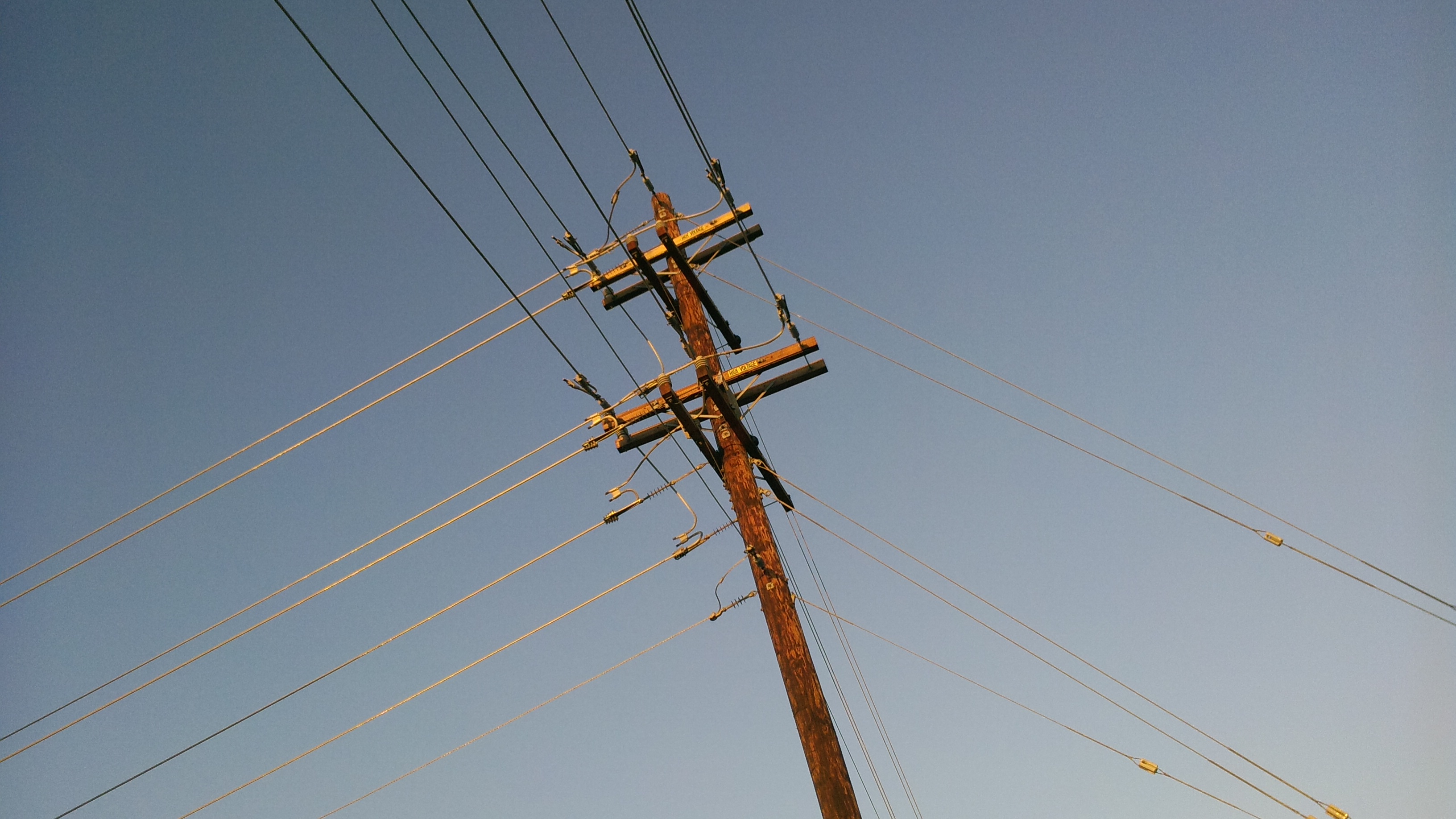
Vegetation, adjacent conductors, fallen lines, and conductive objects can create electrical contact hazards. Faults and arcing can become ignition sources when combustible material is nearby.
As transmission lines heat up, conductors can expand and sag closer to vegetation. Improving heat rejection can help preserve clearance at a given electrical load, or provide additional capacity within an established temperature limit.
Bare conductor
Kratos
Vegetation contacting an energized conductor can create an electrical fault and ignition risk.
Bare conductor
Kratos
Wind can bring conductors together, creating a risk of electrical faults and arcing.
Bare conductor
Kratos
A downed conductor may remain energized. Contact with the ground or vegetation can create ignition and electrocution hazards.
Bare conductor
Kratos
Conductive objects, including metallic balloons, can bridge conductors and cause faults or arcing.